
Sweepstakes Marketing: How to Use Giveaways to Grow Your Email List & Revenue

A well-run sweepstakes can do more than generate excitement for a prize. It can grow your list, drive traffic, reveal customer interest, and give your team a direct line to prospective customers who want to hear from you.
In this guide, we’ll show how small businesses and nonprofits can use sweepstakes as part of a practical email marketing strategy, from planning and compliance to landing pages, automation, analytics, and follow-up.
Key Takeaways
- Sweepstakes, contests, and instant win games can grow email subscribers, drive traffic, and support a successful email marketing campaign when paired with email marketing and analytics.
- Unlike gambling, properly structured U.S. sweepstakes must be free to enter and disclose odds, eligibility, start/end dates such as 06/01/2026–06/30/2026, and prize values.
- VerticalResponse customers can use landing pages, signup forms, automated confirmation emails, and segmented email campaigns to turn entrants into long-term customers.
- Integrating sweepstakes with digital marketing channels such as social media marketing, content marketing, and inbound marketing amplifies reach and lowers cost per lead.
- Prize selection, email deliverability, measurement with google analytics, and list quality help you avoid “freebie seekers” and improve ROI.
What Are Sweepstakes, Contests & Instant Wins?
Sweepstakes are promotional drawings where winners are chosen entirely by random chance rather than skill. Participants enter a sweepstakes by submitting their information through an entry form, which can be online, on social media, or via mail. For example, a 2026 “Summer Grill Giveaway” might offer a $1,000 outdoor cooking package to one randomly selected entrant.
Contests are different because they involve skill or judging. A nonprofit might ask supporters to submit a story or photo, then have a panel select winners based on published criteria, and programs like the VerticalResponse non-profit discount program can make it more affordable to promote these campaigns via email. Instant win games award prizes immediately when someone plays, such as a digital scratch card that reveals a $10 coupon or a grand-prize entry.
Brands use these formats as part of their broader marketing strategy to increase brand awareness, support sales promotions, grow lists, and promote products or services without relying only on discounts. The legal distinction matters: legal elements that differentiate sweepstakes from lotteries include Prize, Chance, and Consideration, meaning payment or significant effort required.
In the United States, a legitimate sweepstakes must be completely free to enter and cannot require a purchase or payment. By law, companies cannot require participants to pay money or buy a product to enter a sweepstakes, adhering to the “No Purchase Necessary” Rule.

Why Sweepstakes Belong in Your Marketing Strategy
Sweepstakes work because they turn attention into permission. Email marketing is a form of digital marketing that uses email to communicate with potential and existing customers, aiming to inform customers, engage them, and promote products or services.
The american marketing association describes marketing around creating, communicating, delivering, and exchanging offerings. Sweepstakes fit that definition because the company promotes something valuable while learning what its target audience cares about. Effective sweepstakes require careful marketing planning, including setting objectives, researching customer needs, and aligning the campaign with overall business strategies to maximize results.
A sweepstakes can support your marketing mix by helping you:
- Build a list of potential customers without buying names.
- Increase website traffic from social, search engines, paid ads, and partners.
- Re-engage existing customers with a timely reason to click.
- Strengthen brand loyalty and customer loyalty through relationship marketing.
- Support business growth by moving entrants into a structured email marketing process.
For example, a local bakery could run a March 2026 “Win Free Cupcakes for a Month” sweepstakes. With a landing page, social posts, and in-store signage at its physical stores, the bakery might gain 1,500 new email subscribers and drive 20% more online orders through follow-up offers.
This is inbound marketing in action: you offer a lead magnet, such as a prize, discount, or free shipping, and people opt in because the offer is relevant. Using lead magnets, such as discounts or free shipping, can encourage potential customers to opt into email lists, helping to grow a more engaged subscriber base.
Sweepstakes vs. Contests vs. Instant Win Promotions
Choose the format based on the outcome you want. Sweepstakes maximize volume. Contests create stories and user-generated content. Instant win games keep people returning.
| Format | Best for | Example |
|---|---|---|
| Sweepstakes | Fast list growth | “Enter by 07/31/2026 to win a $500 gift card; winner drawn on 08/05/2026; one entry per day allowed.” |
| Contest | Content and stories | A nonprofit photo contest where donors submit images and judges select the top 10. |
| Instant win | Repeat traffic | 10,000 daily plays, 500 instant wins of $10 coupons, plus one grand-prize drawing. |
| A pure sweepstakes has no skill requirement. Winners of sweepstakes are selected at random after the entry period closes, with every valid entry having the same probability of winning. |
|
|
A skill-based contest requires clear judging criteria. If a promotion includes Chance and requires payment, it must be classified as a Skill-based Contest to avoid being an illegal lottery. It is illegal for a promotion to simultaneously contain Prize, Chance, and Consideration; such an event would be classified as a lottery or a raffle.
Instant win promotions are useful when you want ongoing engagement. They pair well with loyalty programs, event marketing, and digital marketing campaigns where daily visits matter.
Planning a Sweepstakes That Aligns With Your Marketing Goals
Start with one primary objective. Your goal might be “add 5,000 qualified subscribers by Q4 2026,” “promote a new service launching 09/01/2026,” or “increase donations before Giving Tuesday.”
Here are the key considerations:
- Define the audience
Use market research to identify your specific audience. A marketing manager should know whether the campaign is for donors, first-time buyers, lapsed customers, or local prospects. - Choose a relevant prize
Avoid generic prizes when possible. A consulting firm might give away a strategy session. A SaaS business might offer an annual subscription. A retailer might bundle its own products. The key advantage is lead quality. - Pick the right timing
Back-to-School in August, Black Friday in November, and Giving Tuesday for nonprofits all create natural urgency. Most online sweepstakes work best in a 2–6 week window. - Select your marketing channels
Use website banners, social posts, email campaigns, search engine marketing, content marketing, and partner distribution channels. If search engine optimization is part of your plan, publish a blog post that can attract traffic beyond the promotion window. - Fit it into your business strategy
Your sweepstakes should support organizational objectives, not distract from them. The prize, audience, and follow-up should all connect to your products or services.
Legal, Compliance, and Trust Considerations
This is not legal advice, but the basics matter. Poorly structured promotions can be treated as illegal lotteries or create regulatory scrutiny.
Your official rules should include:
- Eligibility, such as 18+ and U.S. residents only.
- Start and end dates with time zone.
- Prize description and approximate retail value.
- Odds of winning.
- Sponsor information.
- Winner selection and notification process.
- Free alternative method of entry, also called AMOE.
The U.S. Postal Inspection Service notes that sweepstakes disclosures should be clear about rules, prizes, odds, and eligibility. If prizes are large, some states may require registration or bonding. In the United States, large prizes won in sweepstakes are subject to income tax, which the winner must report to the IRS.
Privacy also matters. If you collect email addresses, explain how the data will be used and provide unsubscribe options. Follow the can spam act for commercial email, and consider GDPR, CASL, or other laws if your promotion crosses borders. Never add people through purchased lists or unsolicited emails.
Trust signals help performance. Link to rules, send confirmation emails, and post winners’ first name and city where allowed. Clear expectations reduce complaints and protect your sender reputation.
Designing High-Converting Sweepstakes Funnels With Email Marketing
This is where VerticalResponse fits naturally. The entry point should be a focused landing page or embedded signup form with minimal fields: name, email, and optional preferences.
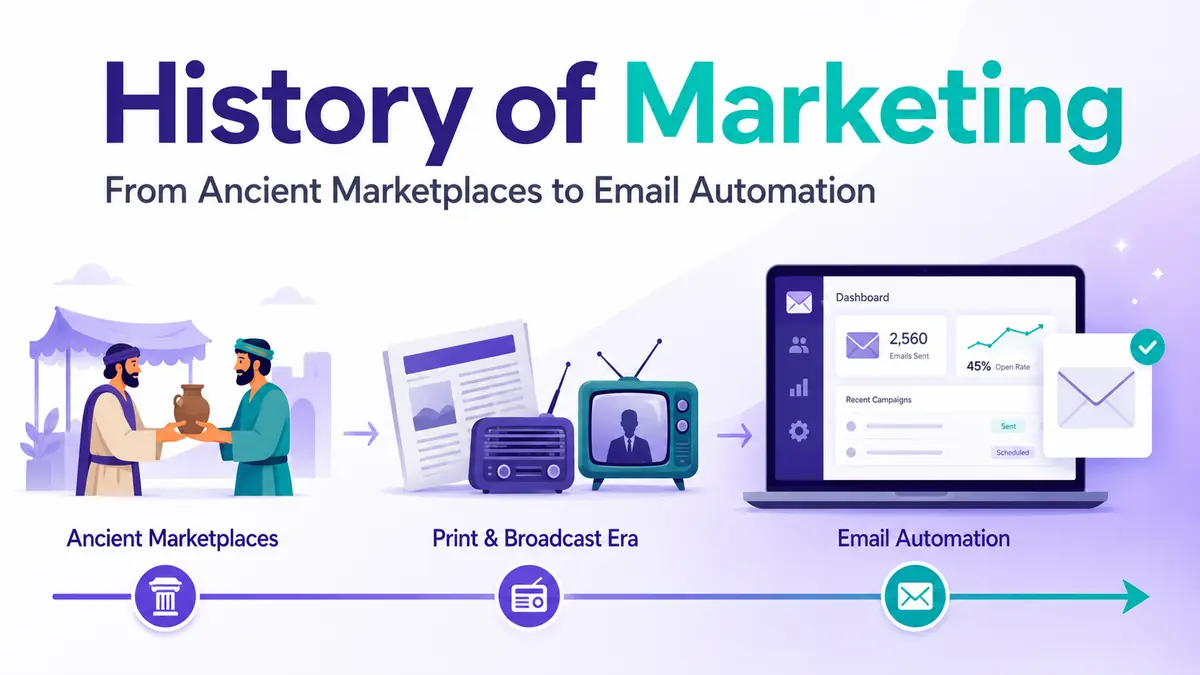
Email marketing allows businesses to deliver personalized messages directly to their audience’s inbox, which can enhance customer relationships and engagement over time, especially when you follow practical email marketing best practices for list growth, content, and automation. The first commercial email was sent in 1978 by Gary Thuerk for digital equipment corp, resulting in approximately $13 million in sales from a list of 400 addresses, marking the beginning of email as a marketing tool.
A simple funnel looks like this:
- Entry page State the prize, deadline, eligibility, and consent language.
- Confirmation email Thank entrants, confirm entry, link to official rules, and mention the drawing date, such as “Drawing on 10/15/2026.”
- Nurture sequence Send 3–5 automated emails over 2–3 weeks. Welcome emails are the first communication sent to new subscribers, introducing them to the brand and often including a special offer or incentive to engage further. Newsletter emails typically provide updates on new products, services, and company news, often including articles or customer testimonials to keep subscribers informed and engaged. Promotional emails are commonly used to inform a broad audience about sales, discounts, or new product launches, aiming to drive immediate engagement and sales. Lead nurturing emails are designed to engage potential customers over time, providing them with relevant information and offers to guide them from consideration to purchase. Survey emails are sent to gather feedback from customers, showing that their opinions are valued and helping businesses improve their products or services based on this input. Marketing automation tools can streamline the process of sending these targeted, timely, and automated emails, enhancing campaign efficiency and customer engagement.
- Segmentation Segmenting your email list means dividing it into smaller groups based on common traits like age, location, lead score, and purchase history, which helps in sending more relevant and targeted emails to your subscribers.
Email automation allows businesses to automatically send emails to a targeted audience based on specific actions, such as subscribing to a list or abandoning a shopping cart, which helps maintain engagement and guide customers through the marketing funnel.
Using VerticalResponse Tools to Run and Optimize Sweepstakes
With VerticalResponse email marketing software, small teams can create a sweepstakes signup form or landing page that reflects their brand identity, includes custom fields, and captures explicit marketing opt-in consent.
You can then build automated workflows for:
- Welcome and confirmation emails.
- Reminder emails, such as “3 days left to enter by 09/30/2026.”
- Winner announcement emails.
- Post-campaign offers.
- Survey emails for product improvement and future campaigns.
VerticalResponse also helps you keep the right message in front of the right segment. A nonprofit can separate donors from volunteers. A retailer can separate new prospects from existing customers. A service company can separate homeowners by location.
Compared with broad email marketing tools like Mailchimp, Constant Contact, AWeber, GetResponse, ActiveCampaign, Brevo, Campaign Monitor, and HubSpot Marketing Hub, VerticalResponse is built for ease of use, affordability, and practical support for small businesses and nonprofits, with email marketing pricing and plans that fit a range of budgets. As an email marketing platform (also called an ESP), it streamlines campaign management, subscriber list handling, automation, and analytics—choosing the right platform impacts your costs, available features, and overall campaign effectiveness. For teams without time to run every detail, VerticalResponse Pro+ Email Marketing offers full-service help with content and promotion, and the VerticalResponse support resources provide additional guidance, tutorials, and best practices.
Promotion Channels: From Content Marketing to Social Amplification
Even the best sweepstakes fails without promotion. A strong digital marketing plan uses several marketing channels while keeping email as the owned channel for follow-up.
Use:
- Content marketing: publish a blog post announcing the giveaway, create a rules page, and link to the entry form throughout your site.
- Social media marketing: post teasers, countdowns, prize photos, and winner updates.
- Paid media: use social ads or search engine marketing for fast reach.
- Partnerships: co-branded giveaways with local businesses can reduce marketing budgets and expand reach.
- Existing marketing emails: send a dedicated announcement, add a newsletter banner, and remind subscribers before the deadline.
The goal is not viral marketing for its own sake. The goal is qualified reach, clear consent, and a list you can nurture after the prize is awarded.
Measuring Success: Analytics, Email Performance & ROI
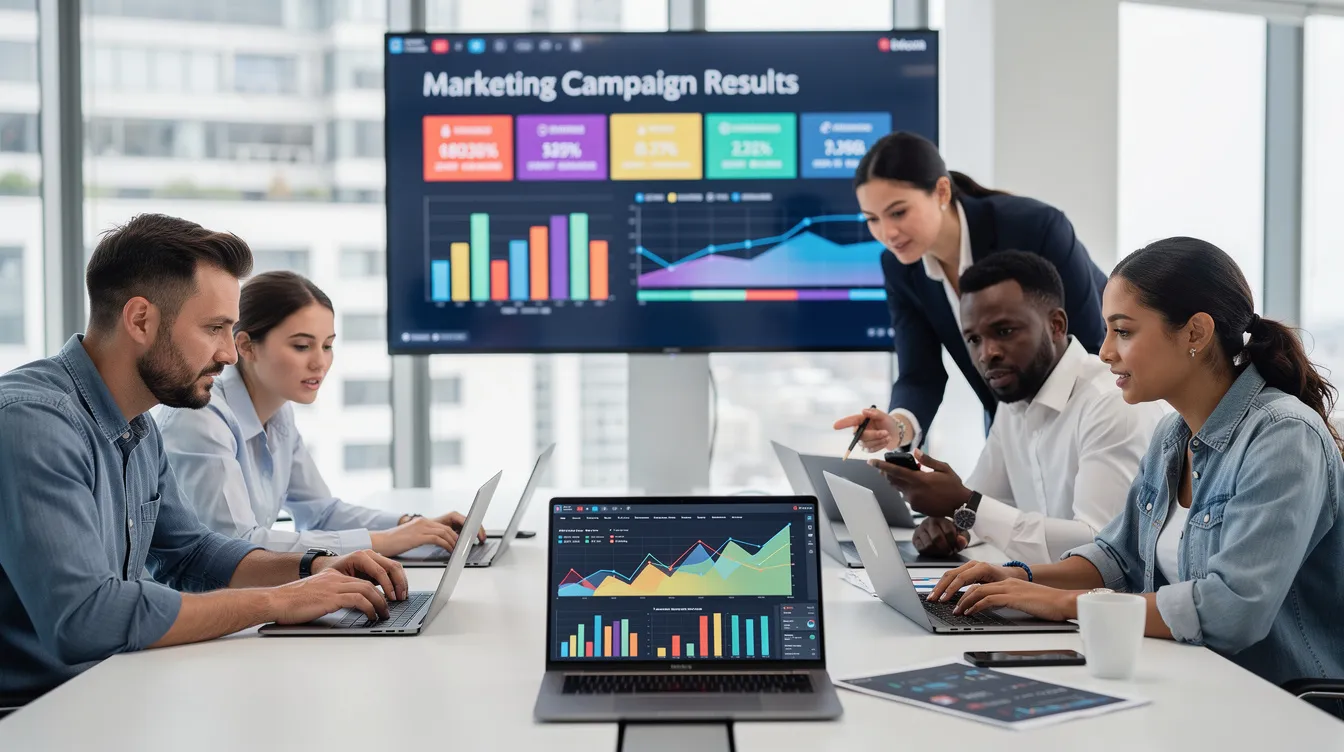
Use google analytics or similar tools to track traffic sources to your sweepstakes landing page: organic, paid, social, referral, and email. Then compare those sources against entry conversion rates and downstream revenue.
Key metrics for measuring email marketing success include open rates, click-through rates (CTR), conversion rates, and unsubscribe rates, which provide insights into campaign performance and audience engagement. Email marketing provides measurable results, allowing businesses to track key metrics such as open rates, click-through rates, and conversion rates, which helps in optimizing future campaigns.
Email marketing can deliver a high return on investment (ROI), with some studies indicating that for every $1 spent, email marketing can generate an average return of $42. Email marketing can deliver a high return on investment (ROI), with some studies showing that for every dollar spent, businesses can expect an average return of $42.
Segmented and personalized email campaigns can increase revenue by as much as 760 percent, highlighting the importance of targeting specific audience groups with tailored content. Email marketing allows for personalized and targeted content delivery, which can enhance engagement and increase revenue by as much as 760 percent when campaigns are segmented effectively.
A simple ROI model, which you can also test and refine using VerticalResponse Classic email and survey tools:
- Prize cost: $800
- Paid promotion: $600
- Creative/software/admin: $300
- Total cost: $1,700
- New customers in 3–6 months: 60
- Average profit per customer: $45
- Revenue impact: $2,700
- Estimated profit after campaign cost: $1,000
Using A/B testing in email marketing involves experimenting with different email elements like subject lines, content formats, and calls-to-action (CTAs) to determine which versions yield the highest engagement and conversion rates. Test the subject line, landing page headline, prize framing, and reminder timing.
Best Practices for Email Deliverability and List Quality
Sweepstakes can build a valuable list, or they can hurt email deliverability if they attract low-quality entrants. To build an effective email list, businesses should focus on attracting subscribers who are genuinely interested in their offerings, rather than purchasing email lists, which can lead to poor engagement and legal issues.
Maintaining a clean email list is crucial; regularly removing inactive subscribers and using double opt-in methods can enhance deliverability and engagement rates. Double opt-in also confirms that the address is valid and that the person wants your marketing emails.
Set expectations on the form: how often you’ll email, what content you’ll send, and how entrants can unsubscribe. This reduces spam complaints and helps your email service provider keep messages out of spam folders.
After the campaign:
- Remove hard bounces.
- Suppress inactive contacts after a reasonable period.
- Reconfirm interest from low-engagement segments.
- Keep compliant footers and unsubscribe links.
- Monitor complaint rates and unsubscribe trends.
VerticalResponse helps manage authenticated sending, unsubscribe links, templates, and reporting so your email marketing efforts can stay healthy after the promotion ends, and domains like vresp.com authenticated sending support strong deliverability.
Realistic Examples of Sweepstakes Campaigns for 2026
- Spring 2026 Wardrobe Refresh Giveaway
A small retail store runs a sweepstakes ending 04/30/2026. The prize is a $500 store bundle. The campaign uses Instagram, in-store signage, and email coupons to entrants. Success is measured by new subscribers, coupon redemptions, and visits to physical stores. - 2026 Summer Raffle-Style Sweepstakes
A nonprofit offers an experience-based prize, such as a private tour and dinner with its leadership team. It uses email automation to thank entrants, share mission stories, and invite recurring donations by December 2026. - Home Services Annual Maintenance Giveaway
A home services company gives away a free annual maintenance plan. Entrants choose their service interests on the form. VerticalResponse’s email marketing platform segments the list and sends follow-up campaigns for HVAC, plumbing, and electrical packages. - Local Fitness Challenge Giveaway
A gym offers three months of membership plus coaching. The campaign includes social ads, a landing page, and a post-entry nurture sequence featuring testimonials and upcoming sales for personal training, which can be managed with tools like VerticalResponse Classic email campaigns.
Common Pitfalls and How to Avoid Them
Many businesses get entries but little long-term value. Watch for these mistakes:
- Generic prizes
A tablet or cash card may attract everyone. Choose a prize tied to your products or services. - No marketing consent
If the form only collects entries, you may not have permission for future marketing emails. Add clear opt-in language. - Weak follow-up
Do not disappear after the winner is announced. Use automated welcome, educational, and promotional emails. - Compliance gaps
Forgetting “No Purchase Necessary,” unclear eligibility, or failing to publish winners as promised can damage trust. - Over-emailing
Sending too many offers immediately after the campaign can cause unsubscribes. Segment entrants and pace messages. - No measurement
Without tracking links, campaign tags, and key metrics, you cannot know whether the campaign created a competitive advantage, or how authenticated sending domains like vrmailer3.com improve deliverability might affect results.
FAQ: Sweepstakes, Email Marketing & VerticalResponse
How much budget do I need to run an effective sweepstakes with email marketing?
Many small businesses start with prize budgets between $250 and $2,500 in 2026, plus optional paid ad spend. A practical split is 40–60% for prizes, 20–40% for promotion, and the rest for software and creative work. Even a $300 prize can work if it attracts qualified subscribers.
Can I run international sweepstakes if my email list includes multiple countries?
Yes, but laws vary by country. Canada, the U.K., and EU countries may have different rules than the U.S. Many small organizations limit eligibility to one country to simplify compliance. VerticalResponse can segment international subscribers so only eligible contacts receive the invitation.
How long should my sweepstakes run to get good results?
A typical online sweepstakes runs 14–30 days. For example, a Back-to-School campaign could run from 09/01/2026 to 09/21/2026. Short campaigns may not get enough promotion time, while campaigns longer than eight weeks can lose urgency.
What happens to my sweepstakes entrants after the promotion ends?
Announce the winner, thank all entrants, and move subscribers into relevant segments based on interests captured at signup. Then use a post-campaign onboarding series with education, testimonials, and limited-time offers. Unsubscribes are normal; list quality matters more than keeping every contact.
Can I integrate my sweepstakes data with CRM or analytics tools?
Yes. Use tracking links on landing pages and confirmation emails, and tag entrants with labels such as “2026-summer-sweepstakes.” Depending on your setup, VerticalResponse can support integrations with CRM or ecommerce systems so sales and fundraising teams can evaluate lifetime value from the campaign.
Sweepstakes are not just giveaways. When planned carefully, they can become a measurable marketing campaign that supports relationship building, customer retention, and revenue. If you want an easy way to launch landing pages, collect entries, automate follow-up, and track results, VerticalResponse gives small teams the tools to start without adding unnecessary complexity.
© 2026, Ahsan Amin. All rights reserved.




 Features
 Pricing
 Partner
 Blog
Blog Support
 More
More Terms of Services
 Privacy Policy