

Subject Lines That Don’t Scream “Marketing Email”

Key Takeaways
- Non-marketing subject lines look like real 1:1 emails: short, specific, and calm with no ALL CAPS or hype
- Keep subject lines under 7 words, use sentence case, and avoid company names and promo buzzwords
- Subtle, conversational email subject lines often beat flashy ones in open rates and trust over time
- Patterns like “quick check-in,” “fyi,” and “one question about…” mimic how most professionals actually write to colleagues
- Test your subject lines with the simple question: “Would I open this from a stranger?”
- Subject lines are crucial as they are often the first impression and can determine whether an email is opened or ignored.
- Personalized subject lines can increase open rates by 22%.
Why Subtle Subject Lines Work Better Than “Marketing” Ones
In 2025, the average person receives over 120 emails per day. Most of those messages get deleted without a second glance. The ones that survive? They look like they came from a real person. In email marketing, crafting effective subject lines is essential for engaging audiences and using proven techniques to increase open rates.
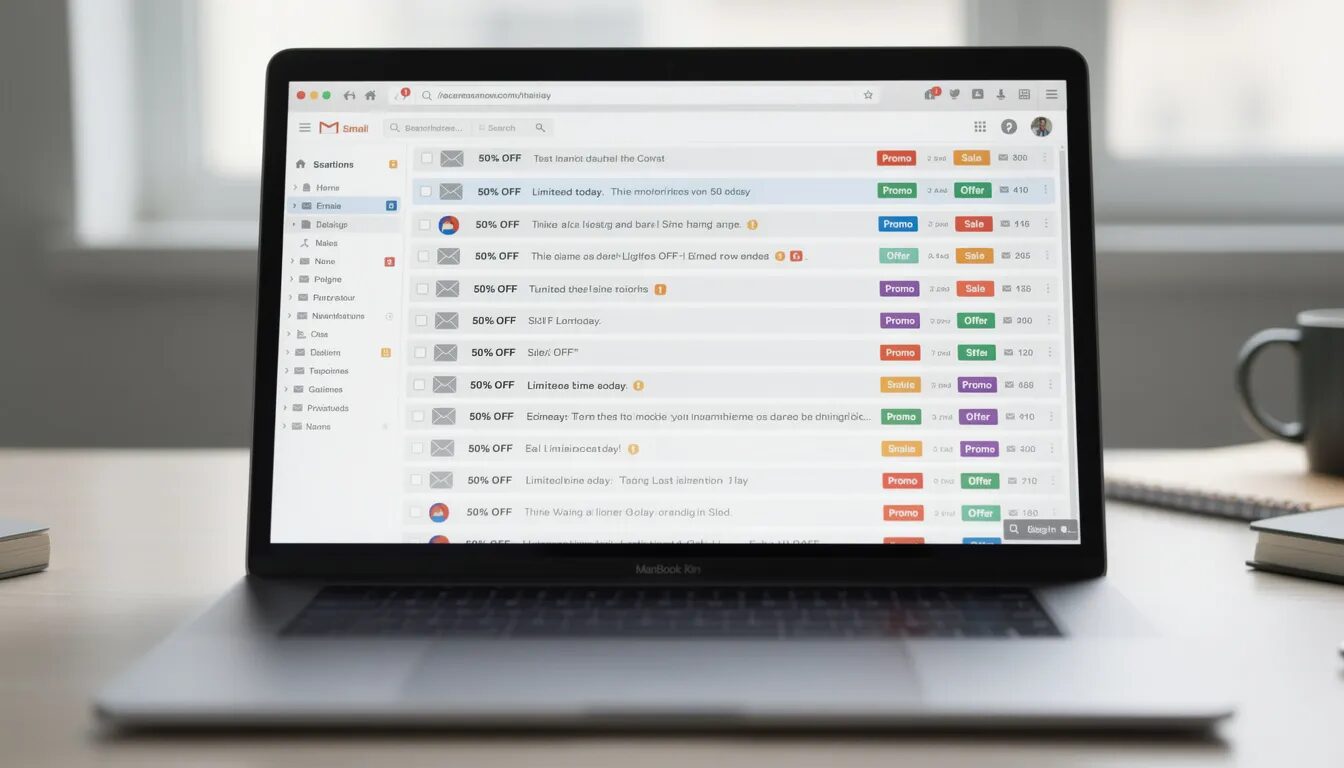
People have developed a sixth sense for marketing emails. Years of spam filters and crowded inbox fatigue have trained readers to skip anything that feels like a campaign. Excessive punctuation, power words like “EXCLUSIVE” or “LIMITED TIME,” and brand-heavy subject lines all signal one thing: this is a sales pitch.
Here’s what that looks like in practice:
|
Loud Marketing Subject Line |
Quiet, Human Subject Line |
|---|---|
|
🔥 HUGE APRIL SALE—TODAY ONLY! |
Quick note about your April invoice |
|
ACME Newsletter: 5 MUST-SEE Features!!! |
small update on your account settings |
|
Don’t Miss Out on 50% OFF Everything! |
about your renewal next month |
The first example grabs attention—but the wrong kind. It screams “marketing email” before anyone reads a single word. The second set? They look like something you’d actually send to a colleague or client. Using numbers in subject lines can increase open rates by up to 57%, making them a powerful tool in your email marketing strategy.
This difference matters for more than just open rates. Quieter subject lines lead to better long-term engagement, fewer unsubscribes, and stronger trust with your audience. This is especially true for B2B and relationship-based business models where the sales process depends on genuine connection.
Short and clear subject lines are more effective than long and complex ones. Subject lines that create curiosity or urgency also tend to perform better and increase open rates.
The rest of this article focuses on practical patterns anyone can use to sound human while still driving opens and response rates. These aren’t abstract theories—they’re reusable formulas that work in real inboxes.

Principles of Subject Lines That Don’t Feel Like Marketing
Before you hit send on any newsletter, nurture sequence, or customer update, run through this quick checklist. These principles separate the best email subject lines from the ones that end up in the junk folder.
Principle 1: Keep it short and scannable
Aim for 3–7 words or under 50 characters. Research shows that email subject lines under 50 characters achieve 56% open rates, while those over 90 characters drop to just 12%. On mobile—where over 60% of people open emails—long subject lines get cut off mid-thought. Note: subject lines with 61 to 70 characters get the highest open rates and the highest click-through rate.
Principle 2: Use sentence case, not Title Case or ALL CAPS
A great subject line looks like a normal message from a person. Write “quick question about your order” instead of “Quick Question About Your Order” or “QUICK QUESTION ABOUT YOUR ORDER.” Sentence case signals that a real person typed this, not a marketing automation tool.
Principle 3: Avoid promo-y words and punctuation
Words like “Free,” “Act now,” “Limited-time offer,” and stacks of exclamation points trigger spam filters and reader skepticism. One well-placed question mark is enough detail to convey tone. Multiple exclamation points just make you look desperate.
Principle 4: Make it about the recipient, not the sender
Instead of leading with your company name or product, focus on what matters to the reader’s attention: their project, their renewal, their question. “Your Q3 site review” speaks directly to the reader. “ACME CRM September Newsletter” speaks to no one. Personalized subject lines are opened 26% more often than non-personalized ones, and adding personalization can bump open rates by at least 50%. Personalization helps your emails stand out in crowded inboxes and creates a sense of relevance to the recipient, increasing the likelihood of engagement.
Principle 5: Match the promise in the body copy
The subject line promises something. The email straight delivers it in the first one line or two. No clickbait. If you write “quick question about your onboarding,” the email better contain an actual quick question—not a 500-word sales pitch about your new features.
Principle 6: Maintain a consistent brand voice
Maintaining a consistent brand voice in your subject lines helps build trust and recognition with your recipients.
Patterns That Make Personalized Subject Lines Feel Like Real 1:1 Emails
These aren’t rigid templates. They’re reusable patterns that match how most email platforms and real person communications actually work. Adapt them to your brand voice and situation.
Pattern 1: Quick check-in
This pattern works for follow ups, relationship maintenance, and gentle nudges:
- quick check-in on your March order
- touching base re: your renewal
- still good for Thursday?
- checking in on the proposal
Pattern 2: FYI / update
Use this for product updates, status changes, or informational notes that don’t require action:
- fyi on your Q2 report
- small update on your booking
- note on your subscription settings
- heads up about the May rollout
Pattern 3: Specific question
Questions naturally invite a response. Keep them focused and clear call to action:
- one question about your onboarding
- ok to share this with finance?
- how did the webinar go?
- quick question about your timeline
Pattern 4: Reference to past interaction
This pattern shows continuity and makes sense for sales outreach and follow up emails:
- following up on our 5/14 call
- about your request last week
- next steps from yesterday’s demo
- re: our conversation on Thursday
Pattern 5: Document or asset inside
When you’re sending something tangible, say so simply:
- your 2025 pricing summary
- draft proposal attached
- revised scope for the July rollout
- the slides you asked for
Pattern 6: Low-pressure close
For cold email outreach and sales follow ups where you want to give the reader an easy out:
- ok if we pause this for now?
- leaving this with you
- last note from me on this
The first example in each category shows the pattern. The rest show variations. Notice how each one is specific enough to feel relevant but short enough to scan in under two words of cognitive effort.
What to Avoid If You Don’t Want to Sound Like a Marketer
After years of overused tactics, people have developed strong spam filters—both technical and psychological. Here’s what triggers them.
Don’t use all caps or shouting tone
Avoid subjects like “LAST CHANCE TO SAVE!!!” or “IMPORTANT ANNOUNCEMENT FROM ACME.” All caps reads as yelling. It’s a classic marker of cold calls translated poorly to email.
Don’t overuse punctuation or emojis
Writing “New course launch 🚀🚀🚀“ or “open this NOW!!!” doesn’t grab attention—it loses trust. Studies show emoji overuse increases spam flags by 10%. One emoji, used sparingly and contextually, can work. Three in a row signals you’re trying too hard.
Don’t stuff in your company name
“Acme CRM September Newsletter” feels like a broadcast from a faceless corporation. Compare that to “a quick note about your account setup.” The second version sounds like it came from a person who knows your situation.
Don’t make promises you can’t keep
Clickbait like “You won’t believe this hack” when the body is just a minor feature update erodes trust fast. Your subject line promises something—deliver it. Over time, broken promises tank your click through rates and lead generation potential.
Don’t overload with numbers or jargon
“7 revolutionary optimization frameworks for 2025” sounds like a marketing deck, not an email. Try “ideas for your Q3 site update” instead. The second version is specific, humble, and interesting enough to open.
Don’t make it time sensitive without real urgency
“Ends tonight” only works when something actually ends tonight. Fake urgency trains readers to ignore you—and can get you flagged for more leads that never convert.
Before sending any email, run this test: “Would I open this from a stranger?” If the answer is no, rewrite it.
The Role of AI in Cold Email Outreach
The rise of AI in cold email outreach has transformed how sales teams approach lead generation and sales outreach. With inboxes more crowded than ever, AI tools are now essential for crafting a subject line that stands out—without sounding like a marketing blast. These tools analyze massive datasets to predict which email subject lines will grab the reader’s attention, tailoring each message to the target audience and their specific pain point.
AI-powered platforms can generate killer subject lines on demand, helping sales professionals avoid the creative block that comes with writing dozens of cold emails or follow ups. Instead of recycling the same email subject lines, AI tools suggest fresh, relevant options that speak directly to the recipient’s needs. This not only increases open rates but also ensures that your subject line promises are always aligned with the content inside, building trust and keeping your emails out of the junk folder.
One of the biggest advantages of using AI in the sales process is its ability to walk the fine line between intriguing and misleading. AI can help you craft a great subject line that piques curiosity without triggering spam filters or coming across as clickbait. By analyzing what works (and what doesn’t) across thousands of campaigns, AI tools can recommend subject lines that are more likely to get opened, read, and responded to.
But AI isn’t just about automation. The best results come when you combine AI-generated subject lines with a personal touch that reflects your brand voice. AI can help you scale your cold email outreach and cold calls, reaching more leads and increasing response rates, but it’s still up to you to make sure each message feels like it’s coming from a real person—not a robot. That means reviewing AI suggestions, tweaking them to fit your audience, and making sure every subject line makes sense for your business and your sales pitch.
In short, AI is a powerful ally in the quest for more revenue and better lead generation. It can help you test, refine, and personalize your email subject lines, boosting open rates and driving more sales. But the real magic happens when you use AI to enhance—not replace—your own expertise and empathy. With the right balance, you’ll craft subject lines that cut through the noise, start real conversations, and move your sales process forward.
Email Subject Line Length and Optimization
Crafting a great subject line is one of the most important steps in getting your email noticed in a crowded inbox. The length of your email subject lines can make or break your open rates, especially as most professionals now check their inbox on mobile devices where space is limited. Research shows that subject lines with 61 to 70 characters achieve the highest open rates—averaging 43.38%—and a click-through rate of 17.57%. This sweet spot gives you enough detail to grab attention without overwhelming the reader.
When optimizing your subject line, clarity should always come before cleverness. Every word counts, so use power words that speak directly to your target audience and highlight a clear call to action. Words like “exclusive,” “new,” or “limited time” can create urgency, but it’s important to strike a fine line—too much hype or excessive punctuation (like multiple exclamation points) can trigger spam filters and send your message straight to the junk folder. Most email platforms are quick to flag subject lines that look suspicious, so always test your subject lines before sending.
Personalized subject lines are another proven way to increase open rates. Including the recipient’s first name, company name, or referencing a specific pain point makes your email feel like a personal email rather than a generic sales pitch. For example, “Quick question for [First Name] at [Company]” or “About your Q3 marketing plan” are killer subject lines that speak directly to the reader’s attention and situation. Studies show that personalized subject lines are opened 26% more often, and referencing recent interactions or company details can further boost engagement.
The best subject lines provide enough detail to make sense and spark curiosity, but don’t give away the entire message. For instance, “Limited time offer: ends tonight” is clear, time sensitive, and encourages immediate action—without sounding like a hard sell. Always remember that your subject line promises something, so make sure the email straight delivers on that promise in the first one or two lines.
To avoid spam and increase open rates, keep your subject lines concise, avoid excessive punctuation, and use sentence case. Test different versions to see what resonates with your audience, and remember that what works for one segment may not work for another. By focusing on clarity, personalization, and relevance, you’ll create subject lines that not only grab attention but also drive more leads and more revenue for your business.
In summary, optimizing your email subject line length and content is essential for successful sales outreach and email marketing. By following these best practices—prioritizing clarity, using power words, personalizing your message, and avoiding spam triggers—you’ll craft killer subject lines that stand out in any inbox and help you achieve higher open rates, more leads, and ultimately, more sales.
Examples: Sales Email Subject Lines That Don’t Scream “Campaign” (By Use Case)
Different email types call for different approaches. Here are concrete examples for common scenarios, organized so you can grab what you need.
For newsletters:
- a thought on your Q3 pipeline
- notes from our April webinar
- 3 resources for your 2025 planning
- something interesting from this week
- quick read on lead generation trends
For product or feature updates:
- simpler logins are live today
- new way to export your reports
- small change to billing on May 1
- the dashboard update you noticed
- one thing that’s different now
For onboarding and customer success:
- getting you set up before Friday
- quick walkthrough for your team
- how others in finance use this
- your first name on the account
- test your setup before Monday
For sales follow-ups:
- ok if we pause this for now?
- re: budget for July launch
- leaving this with you (and then I’ll stop)
- following up on your pain point questions
- about the demo from Tuesday
For event invites and reminders:
- spot for you on Tuesday’s session?
- slides from yesterday’s workshop
- recording from the April 9 demo
- your calendar hold for next week
- quick reminder about tomorrow
Each subject line here could be the same email sent to your target audience or a personal email to a colleague. That’s the point.
How to Test and Refine Low-Key Subject Lines to Improve Open Rates
Subtle subject lines still need data. Intuition gets you started, but testing tells you what actually works for your specific audience. A/B testing subject lines is crucial, as performance can vary significantly across different audience segments and time periods.
A/B test one variable at a time
When you test, change only one element: tone (casual vs. neutral), length, or specificity. Send each version to at least a few hundred recipients for meaningful results. Most email platforms make this straightforward. Using numbers in subject lines can increase open rates by up to 57%, and adding personalization can bump open rates by at least 50%. Test these elements to see which combinations increase open rates for your audience.
Example test pairs:
- “quick question about your Q3 targets” vs. “question about your 2025 growth plan”
- “about your renewal” vs. “your April renewal details”
- “small update” vs. “fyi on account changes”
Track opens AND replies
Open rates tell part of the story, but response rates reveal whether your message actually connected. Real-email-style subject lines often drive better replies even when opens are similar. For cold outreach and sales emails, responses matter more than opens.
Segment your testing
What feels non-marketing to existing clients may fall flat for cold prospects. Test separately. A subject line that works for warm leads in May 2025 might need adjustment for cold emails in October.
Document winning patterns
When something works, write it down. Create a shared playbook so your whole team can reuse effective patterns instead of spending time crafting the same email from scratch every send. This saves time crafting and builds consistency in your brand voice.
The average email open rate hovers around 21% for e-commerce and 28% for non-profits. If your subtle subject lines consistently beat those benchmarks, you’ve found something worth replicating.
FAQ
Can I still mention discounts or promotions without sounding like a marketing email?
Yes, but keep the wording calm and specific. Write “about your renewal discount for June” instead of “HUGE DISCOUNTS INSIDE!!!” The first example makes sense as a personal note. The second goes straight to the junk folder—or gets ignored. Focus on the recipient’s situation, not the promotion itself.
Should I use emojis at all in subtle subject lines?
For most professional audiences, skip them entirely. If your brand is very informal or you’re writing to a consumer audience that expects playfulness, one emoji used rarely and contextually can still feel human. But stacking emojis signals promotion, not conversation. When in doubt, leave them out.
Do these principles work for cold outreach as well as for existing customers?
They do, but cold emails require even more clarity and honesty. With warm leads, you have established trust. With cold outreach, you’re asking strangers to respond. Be direct about why you’re reaching out. Avoid anything that feels manipulative. Killer subject lines for cold emails sound like a real person asking a genuine question—not a sales rep working through a call list.
How many words is too many for a low-key subject line?
Aim for 3–7 words. Anything that wraps to a second line on a typical mobile screen is too long. Most professionals scan their inbox in seconds. If your subject line requires effort to read, it won’t get read. Two words can work (“quick question”). Ten rarely does.
Is it okay to reuse the same subtle subject line more than once?
Reusing effective, natural subject lines like “quick question” or “touching base” is common and fine. These phrases mimic how people actually write to colleagues. Just make sure the content matches the subject line and you’re not sending the same email so often it feels automated. Variety in your email subjects prevents fatigue, but proven patterns deserve repeat use.
© 2025, Vertical Response. All rights reserved.





 Features
 Pricing
 Partner
 Blog
Blog Support
 More
More Terms of Services
 Privacy Policy