Email Marketing in 2026: Trends, Tactics, and What to Do Now

Key Takeaways
The year 2026 marks a turning point for email marketing. Artificial intelligence has moved from experiment to infrastructure, privacy regulations have reshaped data strategies, and inbox providers are smarter than ever. Here’s what you need to know before diving in:
- Email remains a powerhouse with $40–$45 ROI per $1 spent, but success in 2026 depends on ai driven personalization, zero party data collection, and bulletproof deliverability through proper authentication requirements.
- Understanding email marketing trends is essential to stay ahead in 2026, as emerging trends shape strategy, infrastructure, and evolving customer expectations.
- Intelligent inboxes from Google, Apple, and Microsoft now use engagement signals like scroll depth, reply rates, and deletion patterns to determine what users see—making inbox placement rates a critical battleground.
- Winning brands deploy hyper-personalized automated emails that respond to user behavior in real time, sending relevant messages at the right moment rather than relying on bulk sends.
- Before layering on any fancy ai optimization, marketers must fix their infrastructure foundation: SPF, DKIM, DMARC, and BIMI. Trust signals come before technology.
The State of Email Marketing Trends Heading into 2026
Email marketing in 2026 occupies a unique position in the digital marketing landscape. While social media platforms rise and fall with algorithm change after algorithm change, and SMS marketing faces its own deliverability challenges, email remains the core owned communication channel for both B2B and B2C brands.
The numbers tell a compelling story. By the end of 2026, projections show approximately 4.7 to 4.8 billion global email users—making email one of the only truly universal, cross-platform identifiers. Average industry ROI hovers around $42 to $45 for every $1 spent, with some sectors like retail and ecommerce pushing toward 45:1 returns.
Consumer preferences remain firmly in email’s corner. Research from 2024 and 2025 consistently shows that 70-80% of consumers still prefer email for promotional offers and account updates over other channels. About 75% of consumers specifically choose email over SMS, social DMs, or other formats when they want to hear from brands. In 2026, email marketing integrates seamlessly with other marketing channels such as CRM, SMS, and social media, creating a unified customer experience and enhancing overall marketing effectiveness.
Apple Mail Privacy Protection, introduced back in 2021, fundamentally changed how we measure email opens. By 2024-2025, this had already made open rates less reliable, and that trend continues into 2026. Smart marketers have shifted their focus to click through rates, conversion events, and revenue-based metrics instead.
Inbox providers have gotten remarkably sophisticated. Gmail’s tabs, Apple Mail’s machine learning filters, and Outlook’s Focused Inbox all use engagement and trust signals to rank emails. Getting into the inbox is no longer just about avoiding spam triggers—it’s about consistently demonstrating value to subscribers directly through their behavior.
Customer Retention and Engagement in the New Era
In 2026, customer retention and engagement have become the linchpins of a successful email marketing strategy. As inboxes grow smarter and customers become more discerning, brands can no longer rely on generic blasts to keep their audience interested. Instead, the focus has shifted to delivering more relevant messages that speak directly to each customer’s needs, preferences, and behaviors.
Leveraging customer data—especially zero party data that subscribers willingly provide—enables marketers to craft personalized experiences that drive deeper engagement. By understanding what motivates your customers, from their favorite product categories to their preferred communication frequency, you can use automated lifecycle campaigns to deliver targeted emails that arrive at just the right moment. This approach not only boosts engagement but also strengthens customer loyalty and increases lifetime value.
AI-powered optimization and AI-driven personalization are now essential tools for marketers aiming to stand out in crowded inboxes. These technologies analyze user behavior across multiple platforms, allowing you to send more relevant messages that adapt to each customer’s journey. For example, a customer who frequently shops via mobile devices might receive mobile-optimized offers, while another who interacts across desktop and app channels could see content tailored to their cross-platform habits.
Consistent communication is also key. Customers expect a seamless experience whether they’re opening emails on their phone, browsing your website, or interacting with your brand on social media. By ensuring your messaging is cohesive and optimized for mobile devices, you create a unified customer experience that encourages ongoing engagement and retention.
Ultimately, the brands that excel in customer retention in 2026 are those that use customer data and zero party data to deliver targeted, relevant messages through automated lifecycle campaigns—always with an eye on mobile optimization and consistent communication across all touchpoints.
Automated Lifecycle Campaigns: From Onboarding to Re-Engagement
Automated lifecycle campaigns have become the backbone of effective email marketing, guiding customers from their very first interaction through every stage of their journey. In 2026, these campaigns are more sophisticated than ever, using AI-driven personalization and dynamic content to deliver relevant messages that foster relationship building and customer retention.
The journey often begins with a welcome email, triggered the moment new subscribers join your list. This initial touchpoint sets the tone for your brand and can be tailored using zero party data collected during signup. As customers engage—browsing products, making purchases, or interacting with your content—automated emails respond in real time, adapting to behaviors like scroll depth, purchase history, and lifecycle stage.
For example, a customer who abandons their cart might receive a targeted email featuring the exact items left behind, along with personalized recommendations based on past purchases. If a subscriber becomes inactive, a re-engagement campaign can be triggered, using dynamic content and special offers to reignite interest. Even milestone moments, such as birthdays or anniversaries, are opportunities to send personalized birthday messages that make customers feel valued and deepen loyalty.
AI-driven personalization ensures that every automated email is relevant, timely, and tailored to the individual. By analyzing user behavior and lifecycle stage, marketers can deliver targeted emails that boost engagement and drive conversions—whether it’s encouraging a first purchase, upselling to loyal customers, or winning back those who have drifted away.
In this new era, automated lifecycle campaigns are not just about efficiency—they’re about creating meaningful, ongoing relationships with your customers, ensuring your brand remains top-of-mind at every stage of their journey.
Trend #1: Intelligent Inboxes and AI-Driven Deliverability
Intelligent inboxes represent the new gatekeepers of email marketing success. Gmail’s Priority Inbox, Outlook’s Focused view, and Apple Mail’s filtering systems now use artificial intelligence to decide which emails land in front of users first—and which get buried.
By 2026, these inbox algorithms weigh behavior signals more heavily than ever before. They track:
- Opens and time spent reading
- Replies and forwards
- Scroll depth within emails
- Quick deletions without reading
- Spam reports and complaints
- Whether users move emails between tabs or folders
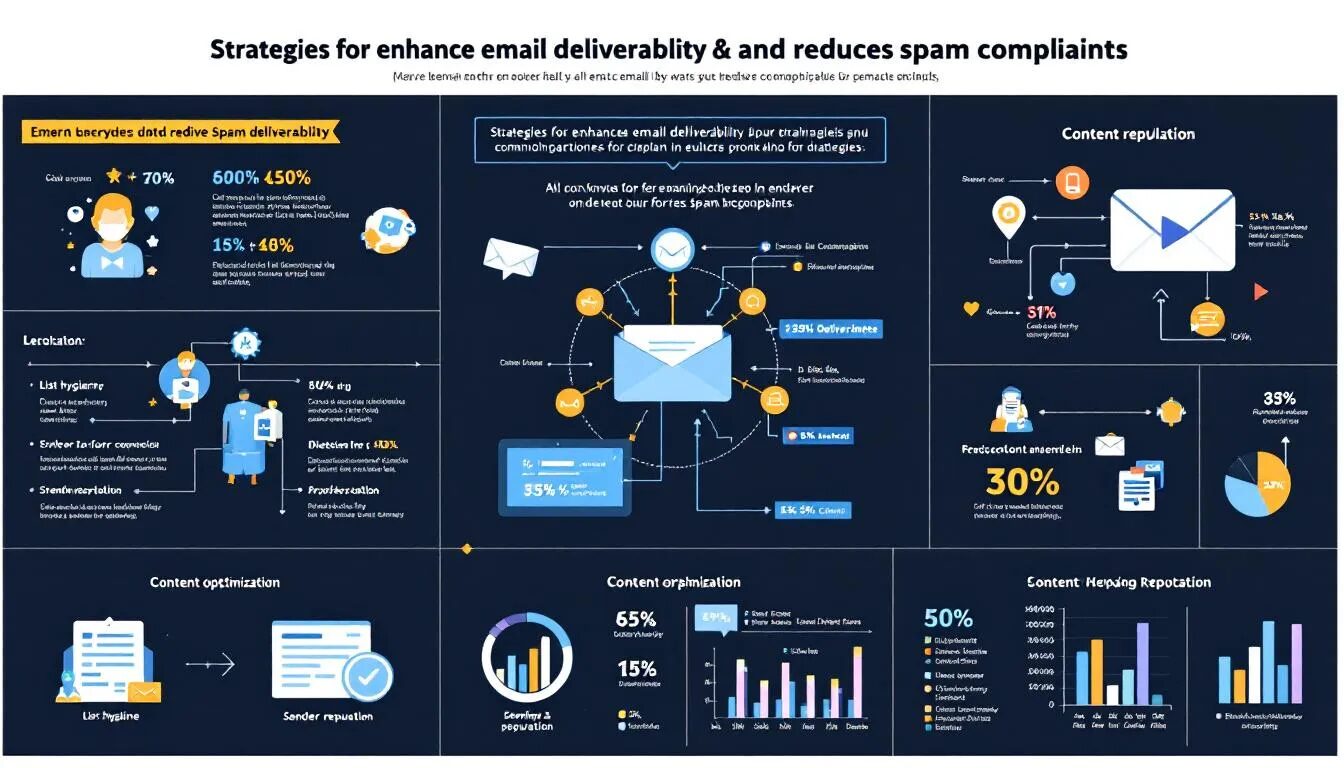
Gmail’s February 2024 bulk sender requirements laid the groundwork for this stricter filtering environment. Those rules—requiring one-click unsubscribe functionality, complaint rate thresholds below 0.3%, and proper authentication—weren’t just 2024 news. They established the baseline that continues to tighten through 2026.
For marketers, this means abandoning the old playbook of sending to everyone and hoping for the best. Instead, you need engagement-based segments that prioritize:
- Recent activity (opened or clicked in last 30, 60, 90 days)
- Interest and preference tags based on past behavior
- Purchase recency and frequency
- Lifecycle stage and customer lifetime value potential
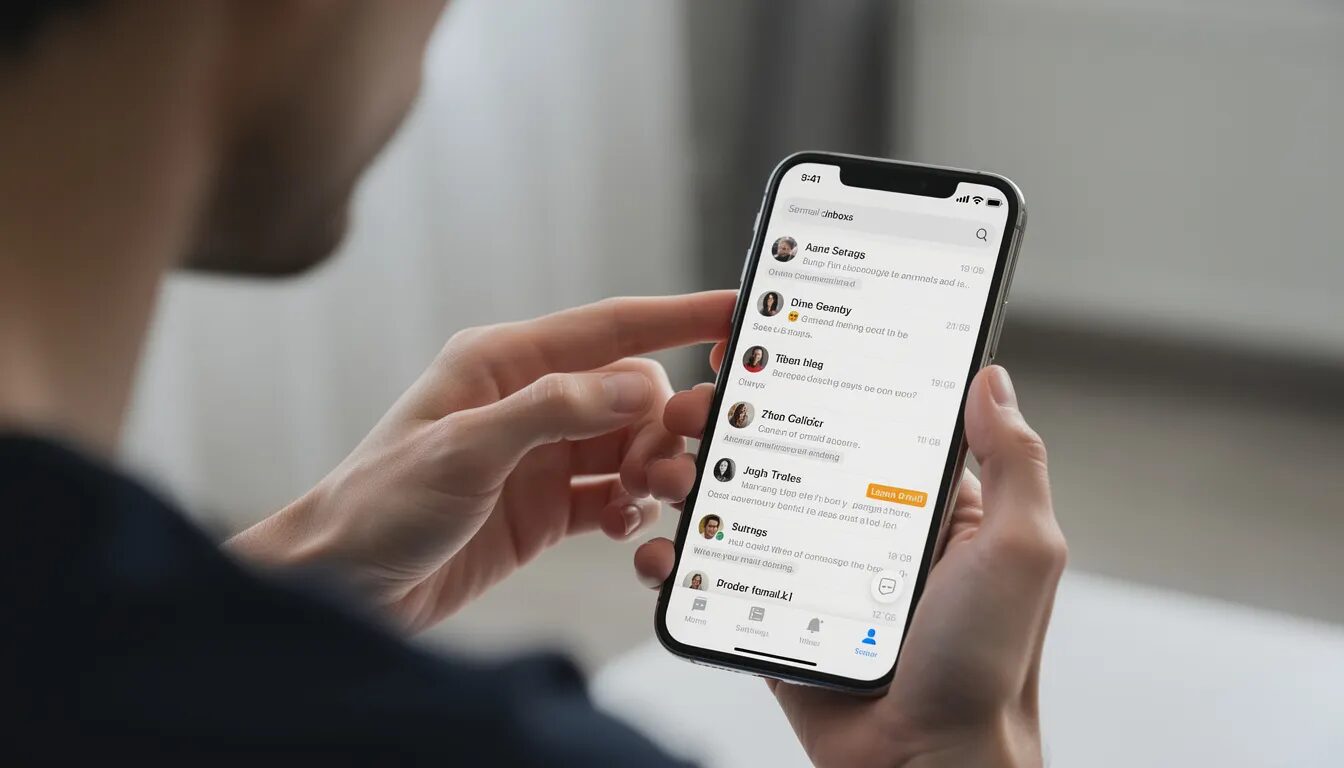
Picture a 2026 inbox view: the Primary tab shows a handful of emails from trusted senders with high engagement history. A subtle “Top picks for you” section highlights messages from brands the user consistently interacts with. Meanwhile, bulk promotional emails from unfamiliar senders sit in Promotions, and low-engagement senders have slipped into Spam entirely. The difference? Those top-performing emails land there because their senders consistently deliver messages that subscribers open, click, and act on.
Trend #2: Hyper-Personalisation Becomes the Default
Remember when adding a first name to a subject line felt cutting-edge? That was 2020. By 2026, hyper-personalisation based on behavior, preferences, and lifecycle stage has become the baseline that customer expectations demand.
Leading brands now use individual-level data to shape every element of an email in real time:
- Subject lines that reference specific products viewed or categories browsed
- Offers tailored to purchase history and predicted price sensitivity
- Layouts that shift based on device preferences and past engagement patterns
- Send times optimized for each subscriber’s typical check-in windows
This personalization engine runs on two fuel sources: zero party data and first-party data. Zero party data includes information customers explicitly share—survey answers, preference center selections, quiz results, and stated interests. First-party data captures behavioral signals from your owned channels: website visits, email clicks, app usage, and purchase patterns.
Consider a fashion retailer in 2026. Two subscribers receive the same “New Arrivals” email, but their experiences look completely different:
Subscriber A sees a curated grid of petite-sized sustainable basics in neutral tones, priced under $75, with copy emphasizing eco-friendly materials. Her past purchases and quiz responses shaped every element.
Subscriber B sees bold statement pieces in extended sizes, premium price points, and messaging about exclusive designer collaborations. His browsing behavior and purchase cadence drove these choices.
Neither subscriber knows the other’s version exists. Both feel like the brand genuinely understands them.
In 2026, consumers don’t see this as a bonus—they expect it. Generic blasts trigger unsubscribes and erode your brand reputation with inbox providers. Relevance isn’t optional anymore.
Trend #3: AI-Powered Campaign Creation and Optimization
The marketing team of 2026 operates as a human plus AI hybrid. Marketers own strategy, brand voice, and creative direction. AI handles the heavy lifting of campaign production, testing, and optimization loops.
Modern ESPs and CDPs—the 2026 versions of platforms like Klaviyo, Braze, HubSpot, and Emarsys—embed generative ai content tools throughout the workflow:
- Subject line generation with automatic A/B testing
- Body copy suggestions that match brand voice guidelines
- Dynamic content blocks assembled based on subscriber attributes
- Product recommendation algorithms that learn from conversion patterns
- Image suggestions and optimization
Perhaps most useful is conversational analytics. Instead of digging through dashboards, marketers ask questions in plain language: “Why did our June 2026 cart recovery rate drop in Germany?” The platform analyzes the data and surfaces insights about changed email frequency, competitive timing, or segment behavior shifts.
AI-driven predictive send time has replaced the old “Tuesday at 10 AM” broadcast approach. Each subscriber receives messages when they’re most likely to engage based on their personal patterns. One person gets their cart recovery email at 7:15 PM; another receives theirs at 6:30 AM. The system learns and adjusts continuously.
The difference between 2023 and 2026 approaches is stark:
2023 approach: Manually create two subject line variants. Run an A/B test for 4 hours. Pick a winner. Send to the rest of the list. Analyze results next week.
2026 approach: AI generates 8-12 subject line variants based on past performance patterns. The system tests continuously, adapting allocation in real time based on engagement signals. By the time most subscribers receive the email, the optimal variant for each segment has been identified and deployed. Revenue per send increases without manual intervention.
Benchmark data shows AI-driven email marketing campaigns yielding around 13% increases in click through rates and up to 41% revenue improvements compared to non-AI approaches.
Trend #4: Privacy-First Customer Data, Trust, and Authentication
The privacy environment of 2026 has fundamentally reshaped how marketers collect and use customer data. GDPR continues to evolve, CCPA/CPRA enforcement has matured, and similar privacy laws have emerged across more regions.
The phaseout of third-party cookies (finally completed after Chrome’s 2024-2025 deprecation) pushed brands to rely on owned data. This makes zero party data—information customers willingly share—one of the most valuable assets in your marketing strategy. Combined with first-party behavioral data from your website, app, and email engagement, you have everything needed for sophisticated segmentation without relying on external data brokers.
Authentication requirements have become non-negotiable for reaching the inbox. The essentials:
SPF (Sender Policy Framework): Tells receiving servers which IP addresses are authorized to send email from your domain.
DKIM (DomainKeys Identified Mail): Adds a digital signature proving the email wasn’t altered in transit.
DMARC (Domain-based Message Authentication, Reporting & Conformance): Instructs receiving servers what to do when SPF or DKIM fail, and provides reporting on authentication results.
BIMI (Brand Indicators for Message Identification): Displays your verified brand logo next to your emails in supporting inboxes—but only for domains with strict DMARC enforcement. This visible trust signal helps email subscribers identify legitimate emails and reduces phishing confusion.
Google and Yahoo’s 2024 enforcement actions made these protocols mandatory for bulk senders. In 2026, failing to implement them properly means your emails land in spam—or don’t arrive at all.
Trust Foundation Checklist for 2026:
- Clear, granular consent capture at signup (separate checkboxes for different email types)
- Preference centers where subscribers control content types and email frequency
- One-click unsubscribe in every email (legally required, reputation essential)
- Secure storage and handling of subscriber data
- Regular list hygiene: remove hard bounces, suppress chronic non-engagers, eliminate spam traps
- Privacy notice linking to clear data usage explanation
- Regular review of consent records and data retention compliance
Trend #5: Micro-Moment Automation and Real-Time Dynamic Content
Traditional lifecycle automation—welcome series, cart abandonment, post-purchase flows—remains important. But 2026 has moved beyond these broad triggers toward micro-moment automation that responds to very specific signals in seconds, not hours.
Micro-moments in 2026 include:
- Viewing a specific product page twice within 24 hours
- Pausing a tutorial video at a specific timestamp suggesting confusion
- Abandoning a subscription upgrade screen after viewing pricing
- Scanning an in-store QR code without completing purchase
- Hitting a usage limit or quota in a SaaS product
- Adding and removing the same item from cart multiple times
These signals trigger immediate, contextual responses that feel helpful rather than intrusive.
Real-time dynamic content takes this further. Emails update at open time rather than send time, using server-side logic and API connections to show:
- Live pricing and inventory levels (“Only 3 left in your size”)
- Countdown timers reflecting actual promotion end times
- Location-based offers and store availability
- Current weather-appropriate product recommendations
- Personalized video thumbnails
Consider this 2026 scenario: A SaaS trial user hits their feature limit while trying to complete a task. Within 60 seconds, they receive an email that includes:
- A personalized video addressing the exact feature they were trying to use
- Usage statistics showing how close they are to seeing full value
- An upgrade incentive tied to their specific usage patterns
- A one-click meeting scheduler to talk with sales
This level of responsiveness requires integrated systems. Isolated ESPs can’t pull it off. You need unified data architecture connecting your CRM, product analytics, website tracking, and messaging platforms into one ecosystem.
Trend #6: Unified Omnichannel Journeys with Email at the Core
In 2026, email doesn’t operate as a standalone channel. It serves as the backbone of fully connected journeys that span email, SMS marketing, WhatsApp, push notifications, in-app messages, and web personalization.
A practical cross-channel flow looks like this:
- Lead magnet signup on website
- Welcome email series introducing brand and setting expectations
- SMS reminder 24 hours before upcoming webinar
- WhatsApp message with direct link 15 minutes before start
- Post-event nurture emails with replay and related resources
- Retargeting ads reinforcing key messages for non-converters
- Personalized web experience on next site visit
Unified customer profiles within your CRM or CDP store events from all these touchpoints. This prevents the disjointed experiences that frustrate customers—like receiving an SMS promotion for something they just bought, or getting conflicting discount offers on different channels.
B2B vs. B2C orchestration differs in pace but shares the same data spine:
|
Aspect |
B2B Approach |
B2C Approach |
|---|---|---|
|
Cycle length |
Months of nurturing |
Hours to days |
|
Decision makers |
Multiple stakeholders |
Individual consumer |
|
Content focus |
Education, ROI proof |
Offers, urgency, lifestyle |
|
Channel mix |
Email + LinkedIn + events |
Email + SMS + social platforms |
|
Attribution |
Multi-touch across account |
Session and campaign based |
Both approaches benefit from consistent communication across channels. When creative, timing, and offers align, customer experience feels coherent and intentional. This consistency directly impacts customer loyalty, customer lifetime value, and retention rates.
Trend #7: Lighter, Greener, and More Accessible Email Design
Design priorities in 2026 center on four pillars: speed, accessibility, sustainability, and mobile optimization. With 55-60% or more opens happening on mobile devices, mobile users aren’t an afterthought—they’re the primary audience.
Trends pushing design forward:
- Minimalist layouts that reduce cognitive load
- Reduced image file sizes for faster loading
- Clean, efficient code that renders consistently
- Lower carbon footprint from reduced data transfer
- Support for older devices and slower connections
Accessibility has moved from nice-to-have to legally relevant. The European Accessibility Act came into effect June 28, 2025, and in 2026, non-compliant digital communications risk legal and reputational consequences in the EU. Similar regulations are emerging elsewhere.
Accessibility best practices for 2026 emails:
- Semantic HTML structure (proper heading hierarchy, logical reading order)
- High color contrast (minimum 4.5:1 for body text)
- Descriptive alt text for all images
- Large, tappable buttons (minimum 44×44 pixels)
- Dark mode support and testing
- Screen reader compatibility
- Single-column layouts for mobile users
An accessible 2026 email might look simple to the eye: a single column, body text at 16px or larger, clear H1 and H2 headings, ample white space, and one prominent primary call-to-action button above the fold. No tiny text, no image-only content, no cluttered multi-column layouts that break on small screens.
This simplicity isn’t a limitation—it’s a competitive advantage. Clean emails load faster, reach customers on any device, and demonstrate respect for all subscribers.
Trend #8: Evolving KPIs and Measurement in a Privacy-First World
Open rates served as the north star metric for decades. In 2026, they’ve become one of the least reliable indicators of email success due to Apple Mail Privacy Protection and similar features in other clients that pre-load images and inflate open counts.
Smart email marketers have shifted focus to metrics that actually reflect engagement and business impact:
Engagement metrics to prioritize:
- Click through rates and click-to-open rates
- On-site behavior after click (time on page, pages per session, bounce rate)
- Conversion rate and revenue per click
- Reply and forward rates
- Engagement rates by segment and recency
Deliverability and reputation metrics:
- Spam complaint rate (target under 0.1%, never exceed 0.3%)
- Hard bounce rate
- Inbox placement rates by provider
- Authentication pass rates (SPF, DKIM, DMARC)
- Engagement recency distribution (% active in 30/60/90 days)
Revenue-oriented metrics:
- Revenue per send
- Revenue per subscriber
- Average order value from email-attributed sales
- Customer lifetime value influenced by email program
Measurement Evolution: 2022 vs. 2026
|
2022 Focus |
2026 Focus |
|---|---|
|
Open rate as primary KPI |
Click and conversion as primary |
|
List size growth |
Engaged subscriber growth |
|
Campaign-level reporting |
Journey and lifetime reporting |
|
Vanity metrics (sends, opens) |
Revenue attribution and LTV |
|
Monthly reporting cycles |
Real-time dashboards and alerts |
|
Manual segment analysis |
AI-surfaced insights and anomalies |
The shift isn’t just about choosing different numbers to track. It’s about connecting email performance to business outcomes that justify investment and prove value.
Building the Right Email Infrastructure for 2026
Email infrastructure encompasses everything that makes your email program function: domain and DNS configuration, mail servers (whether you use a shared ESP or dedicated IPs), your website and landing pages, tracking and analytics, subscription management, and CRM integration.
Many businesses run fragmented setups—one provider for hosting, a separate ESP, a different tool for landing pages, yet another for CRM. This creates problems:
- Authentication issues when DNS records conflict or are incomplete
- Broken automations when systems don’t sync properly
- Poor support experiences when problems span multiple platforms
- Data silos that prevent unified customer views
- Deliverability problems from inconsistent sending practices
The right tools for 2026 either consolidate these functions on one platform or connect tightly through reliable integrations. Before scaling volume or implementing advanced automation, ensure your foundation is solid:
Infrastructure essentials:
- Custom sending domain (not a shared subdomain from your ESP)
- SPF, DKIM, and DMARC properly configured and passing
- BIMI record with verified brand logo
- Double opt-in or documented consent for every subscriber
- One-click unsubscribe functioning correctly
- Feedback loops set up with major inbox providers
- Regular list cleaning removing invalid addresses and chronic non-engagers
Phased Roadmap for 2026 Readiness:
Months 1-2: Infrastructure and Authentication
- Audit current DNS and authentication setup
- Fix any SPF, DKIM, DMARC failures
- Implement or improve BIMI
- Clean list of invalid addresses and spam traps
- Document consent records for all new subscribers
Months 3-4: Core Automations
- Deploy or optimize welcome email series
- Build cart and browse abandonment flows
- Create post-purchase sequences
- Implement win-back and re-engagement campaigns
Months 5-6: Advanced Capabilities
- Layer on ai powered optimization for subject lines and send times
- Add micro-moment triggers based on specific behaviors
- Build advanced segments using predictive models
- Connect additional channels (SMS, push, WhatsApp)
Best Practices and Tips for Future-Proof Email Marketing
To ensure your email marketing campaigns remain effective and resilient in the face of rapid change, it’s essential to adopt a future-proof approach that aligns with both emerging trends and evolving customer expectations. Here are key best practices and tips for 2026 and beyond:
- Build a Valuable Asset with Zero Party Data: Focus on growing your email list with engaged subscribers by collecting zero party data through preference centers, interactive content, and surveys. Use this data to create personalized experiences and deliver more relevant messages that resonate with your audience.
- Leverage AI-Powered Optimization: Embrace AI-powered optimization to enhance campaign performance. From subject line testing to send time personalization, AI can help you deliver targeted emails that boost click through rates and engagement across multiple platforms.
- Prioritize Mobile Optimization: With the majority of emails now opened on mobile devices, ensure your campaigns are designed for seamless rendering and fast loading on any screen. Mobile optimization is critical for meeting customer expectations and maximizing engagement.
- Implement Automated Lifecycle Campaigns: Use automated lifecycle campaigns to deliver relevant messages at every stage of the customer journey. From onboarding new subscribers to re-engaging lapsed customers, automation ensures consistent communication and helps maintain customer loyalty.
- Maintain Trust and Compliance: Stay ahead of privacy laws and algorithm changes by prioritizing consent, transparency, and data security. Regularly review your email frequency, inbox placement rates, and compliance with authentication protocols to ensure your emails land in the inbox and maintain trust with your audience.
- Stay Flexible and Embrace New Technologies: The digital marketing landscape is constantly evolving. Be ready to adapt your email strategy to new technologies, platforms, and marketing channels. Monitor emerging trends, test new approaches, and refine your tactics based on real-time performance data.
By following these best practices, marketers can create email marketing strategies that not only drive engagement and retention but also build long-term customer loyalty and lifetime value. Keep a close eye on key metrics like click through rates, inbox placement rates, and subscriber engagement to continually optimize your approach and ensure your campaigns perform at their best across all marketing channels.
Practical Action Plan for Marketers in 2026
Understanding emerging trends doesn’t move the needle. Implementation does. Marketers need a concrete, time-bound action plan to adapt without getting overwhelmed.
Prioritized project list:
- Audit deliverability and consent — Review authentication setup, spam complaint rates, and consent documentation. Fix issues before anything else.
- Redesign key lifecycle flows — Start with the highest-impact automated lifecycle campaigns: welcome series (averaging 83%+ open rates), cart abandonment, post-purchase, and win-back sequences.
- Implement zero party data capture — Add preference centers, welcome flow surveys, post-purchase questionnaires, and interactive content to gather explicit preferences.
- Deploy AI optimization gradually — Test AI tools on low-risk elements first (subject lines, send time optimization) before expanding to full content generation and predictive segmentation.
- Connect channels into unified journeys — Integrate email with SMS, push, and other channels through shared customer profiles and coordinated messaging logic.
Start small. Focus on 3-5 high-impact flows before reworking newsletters or launching new campaigns. A well-optimized welcome series delivers more value than ten mediocre promotional sends.
Experiment safely. Use AI for subject line suggestions on your regular sends. Test dynamic content blocks on a single segment. Build confidence in right tools before committing to platform-wide changes.
Iterate monthly. Block time each month to review performance, identify one improvement opportunity, and implement it. Brands that stay ahead of 2026 changes aren’t doing massive overhauls—they’re making consistent, incremental progress.
The email programs that thrive through 2026 and beyond won’t be the ones that chase every new technology. They’ll be the ones with solid fundamentals, clear strategy, and the discipline to boost engagement through relevance rather than volume.
FAQ: Email Marketing in 2026
Q: How is email marketing in 2026 different from 2023–2024 in practical day-to-day work?
Daily work has shifted from manually building one-off email campaigns to managing always-on journeys, monitoring AI-driven experiments, and refining data collection and consent flows. Most marketers spend more time on strategy, storytelling, and offer construction while platforms handle send-time optimization, segmentation, and testing in the background. The role has become more strategic and less operational—you’re directing the machine rather than doing everything manually.
Q: Is it still worth starting email marketing from scratch in 2026 if I’m a small business or creator?
Absolutely. Email remains one of the lowest-cost, highest-ROI marketing channels for small businesses and creators at any list size. A new brand with under 1,000 email subscribers can still generate meaningful revenue by focusing on three things: a simple welcome email series, a weekly value-focused newsletter that builds relationship building with your audience, and one or two key promotional automations (like cart recovery). New technologies have actually made sophisticated email more accessible to smaller players.
Q: Do I need a dedicated CDP or enterprise CRM to use hyper-personalisation and AI?
Not necessarily. While large enterprises benefit from full CDPs with custom engineering, many mid-market ESPs and marketing platforms in 2026 include built-in CDP-like features and AI capabilities. Look for tools that offer unified customer profiles, event tracking across multiple platforms, personalization without coding, and basic predictive features. You can deliver messages that feel highly personalized without enterprise-level investment.
Q: How can I collect zero party data without annoying my subscribers?
The key is making data collection feel valuable rather than intrusive. Effective methods include:
- Brief preference surveys in your welcome flow (“What topics interest you most?”)
- Interactive polls in newsletters that deliver immediate value
- Post-purchase questionnaires positioned as improving their experience
- Quiz-style lead magnets that provide personalized recommendations
- Birthday messages requests positioned as special treatment
Keep forms short, explain the benefit clearly (“Help us send more relevant messages by sharing your preferences”), and allow people to update preferences anytime. Maintain trust by actually using the data to improve their experience.
Q: What’s the minimum technical setup I need to stay compliant and reach the inbox in 2026?
At minimum, you need: a custom sending domain with SPF, DKIM, and DMARC configured correctly; double opt-in or clear, documented consent tracking for every subscriber; one-click unsubscribe functionality in every email; a visible physical mailing address; GDPR/CCPA-compliant privacy notice; and a reputable ESP with good IP reputation. This foundation ensures your emails land where they should while keeping you compliant with privacy laws. Build from here before adding advanced features.
© 2025, Vertical Response. All rights reserved.





 Features
 Pricing
 Partner
 Blog
Blog Support
 More
More Terms of Services
 Privacy Policy