
Geo Targeting in Email Marketing: How to Turn Location Data into Local Revenue

Geo targeting lets you send different email content, offers, and timing based on where each subscriber lives or works. For small businesses and nonprofits in 2026, it is one of the most practical ways to make every send count. This blog post walks through how to collect location data, build geo-aware segments, and apply location logic to the email campaigns that matter most.
Key Takeaways
- Geo targeting delivers customized content based on users’ geographic location, and when applied to email, it lets you match offers, imagery, and send times to local weather, holidays, currency, and language. Geo targeting allows businesses to create different campaigns for different locations.
- Businesses using dynamic, location-based content in email see roughly 29% higher open rates and 40% higher clickthrough rates compared to generic sends. Location-specific promotions can drive higher engagement and conversion rates.
- Email marketing can deliver a high return on investment, and email marketing allows for personalized messaging at scale. Geo targeting amplifies both by making each message feel local rather than mass-produced.
- Nonprofits can achieve high ROI through targeted email campaigns, and segmenting email lists improves communication effectiveness for nonprofits with chapters or supporters in multiple regions.
- Tools like VerticalResponse let you combine geo targeting with email automation, segmentation, and email templates without needing a full marketing team. The sections below show step-by-step ways to apply geo targeting, including examples and quick setups for small lists.
What Is Geo Targeting (Beyond Just Ads)?
Geo targeting is delivering different content or actions based on a user’s geographic location. Most people associate it with display ads or Google Ads, where geo targeting uses various signals to determine a user’s location including IP addresses and GPS. But in email marketing, the approach is different: you work with stored data rather than real-time detection.
For email, location data typically comes from a few sources:
- Shipping or billing addresses collected during e commerce checkout
- Self-selected country, state, or ZIP code fields on sign-up forms or landing pages
- Store locator usage or “nearest location” preferences
- IP address data captured when website visitors fill out forms
- Time zone metadata from user profiles
The key distinction is content based geo targeting versus simple list filters. A list filter decides whether to send or skip a subscriber. Content based targeting sends the same campaign to everyone but displays different content blocks per region, all within one template. This makes geo targeting more nuanced for email than for ads, where visitors based targeting happens in real time.
Here is a concrete example: a U.S. nonprofit sends a winter coat drive appeal only to subscribers in northern states in December 2026, while supporters in warmer regions receive a message about a different initiative, like a holiday food drive. Same campaign, same send; two localized experiences.
Unlike real-time website geo targeting (where geo targeting delivers content based on visitor location instantly), email relies on planning, clean data, and good segmentation. Strategy and data hygiene matter more than instant detection.
Why Geo Targeting Matters for Your Email Marketing Strategy
The average open rate for branded emails is 35.63%. That number drops when subscribers receive messages that feel irrelevant to their lives. 54% of adults open marketing emails relevant to their interests, which means location-aware emails have a structural advantage: they match the subscriber’s context.
Geo targeting improves relevance at scale. When you write subject lines that reference a local event, or when your calls-to-action point to a nearby store, the message feels personal. Email marketing is a direct line of communication with customers, and geo targeting sharpens that line by speaking to where they actually are. Email marketing costs less than traditional advertising channels, yet when paired with location data, it can compete with the precision of paid channels.
Specific benefits include:
- Better timing: Sending by time zone so your email arrives at 9 a.m. local time, not 6 a.m.
- Higher event attendance: Local reminders for in-person happenings
- More in-store visits: Geo targeting can enhance local marketing performance for brick-and-mortar businesses
- Accurate regional reporting: Segmenting performance by location allows for improved campaign testing and optimization
- Reduced waste: Geo targeting reduces wasted ad spend by avoiding audiences outside a business’s service area
Geo targeting connects to broader digital marketing goals, too. If you already use social posts or paid social to advertise in certain metros, aligning email campaigns with those same regions creates a consistent message across channels. Social media ads can increase brand awareness by 80%, and over 50% of consumers discover new brands on social media. Email picks up where discovery ends, nurturing potential customers who already saw your brand locally.
Segment your audience for more personalized email campaigns. Platforms like VerticalResponse make geo targeting accessible to small businesses and nonprofits that do not have specialist data teams, so delivering the right message to the right target audience in the right geographic location is no longer reserved for enterprise marketing.
How Geo Targeting Works in Email: Data, Tools, and Setup
The email marketing process for geo targeting has three building blocks: collecting location data, storing it in fields, then using email marketing tools to segment or dynamically display different content.
Collecting data
The most reliable sources are explicit: country and region dropdowns on sign-up forms, ZIP or postal codes from e commerce checkouts, and “nearest store” preferences. Offer lead magnets like discounts to encourage sign-ups, and make sure your landing pages have a clear call to action so subscribers complete the form. Landing pages should load within 2 seconds to reduce bounce rates; effective landing pages can increase conversion rates by 300%.
You can also capture IP address data from website visitors when they subscribe, but self-reported location tends to be more accurate than IP inference, which shifts when people travel or use VPNs.
Storing and standardizing
Use dropdown menus instead of free-text fields for country and state to prevent inconsistencies (e.g., “USA” vs. “United States”). Periodically audit your location fields so geo targeting rules fire correctly.
Segmenting and displaying
Modern email marketing tools let users create segments like “State is California” or “Country is Canada.” Within a single send, dynamic email templates can show different content blocks based on these segments: a different hero image, promotion, or contact detail per region.
VerticalResponse lets you access list import with location fields and build segments by geography without coding. The setup work is minimal; the payoff compounds across every campaign.
Geo Targeting Tactics for Core Email Campaign Types
Almost every major email type can benefit from geo targeting: welcome series, promotional emails, confirmation emails, newsletters, and even survey emails.
Welcome series
Tailor your first touchpoint by region. Show the subscriber’s nearest store location, local phone number, and relevant shipping options. If you serve both U.S. and EU customers, swap support contact details and currency. Regular email communication builds stronger customer relationships, and starting with localized information sets that tone from message one. Personalized emails can increase engagement rates for nonprofits by making new supporters feel connected to a local chapter rather than a distant headquarters.
Promotional emails
Location-specific promotions can drive higher engagement and conversion rates. A retailer with locations in Austin and Denver can show in-store event details for Austin subscribers while Denver subscribers see a different local offer. Enabling location-specific offers boosts clickthrough rates and conversions. Personalized messaging can adapt to cultural references based on the user’s location; Starbucks, for example, has used geo targeting to send warm-beverage promotions in colder regions and iced-drink offers in warmer ones.
Newsletters
Mix global brand stories with one or two geo targeted sections. A nonprofit newsletter might feature a national update at the top, then a section showing local volunteer opportunities based on the subscriber’s state. Use marketing emails to inform customers about events and initiatives that actually affect them. Survey emails show customers their opinions are valued; including a regional feedback question in your newsletter builds loyalty and collects data for future campaigns.
Using Geo Targeting to Power Localized E-Commerce Campaigns
Location affects pricing, shipping, and product relevance. Geo targeting can improve online advertising campaigns by delivering location-relevant messages, and the same logic applies to e commerce email.
Product availability by region: Promote same-day delivery only in cities where it is actually supported. Show “in-store pickup available” only to subscribers within a serviceable ZIP code. Higher conversion rates can be achieved by targeting high-potential geographic areas rather than blasting inventory announcements to everyone.
Localized pricing and deadlines: Show prices in the correct currency. Include region-specific shipping cut-off dates for holidays; Christmas 2026 deadlines will differ between domestic U.S. orders and international shipments. This level of detail helps with maximizing conversions and reducing cart abandonment.
Re-engagement by location: Target inactive subscribers with “back to store” coupons for lapsed buyers who live within 20 miles of a physical location. Geo targeting can improve conversion rates when paired with lead generation tactics like localized discount codes redeemable at nearby events or pop-ups. Sales from re-engaged local customers tend to outperform generic win-back sends.
Cross-promotions with local partners: Coordinate geo-specific discount codes with nearby businesses. A coffee shop and a bookstore in the same neighborhood can co-promote through each other’s email campaigns, reaching a specific audience already in the area.

Geo Targeting in Lifecycle and Automated Email Flows
Geo targeting becomes more powerful when combined with email automation, because triggers run continuously without manual effort. Email automation saves time by scheduling campaigns in advance; adding location logic to those automations multiplies their relevance.
Time-zone-aware sequences: Send abandoned cart reminders or post-purchase follow-ups at appropriate local hours. Triggered emails can be sent automatically based on customer actions, and sending emails at 10 a.m. in the subscriber’s time zone rather than yours lifts open rates. Litmus research found that roughly 21% of U.S. and Canadian opens happen between 9 a.m. and noon local time.
Localized win-back flows: Automated emails can help maintain regular contact with subscribers, but generic “we miss you” messages often fall flat. Try tying win-back offers to local events: a city festival, a regional sale period, or a seasonal shift. Email automation can improve engagement by sending personalized messages tied to the subscriber’s context. For win-back templates and ideas, localized versions consistently outperform generic ones.
Transactional and confirmation emails: Store pickup confirmations should include the local address, opening hours, and directions. Event registration confirmations should show city-specific venue details. These transactional emails are high-open-rate touchpoints; localization makes them more useful.
Email marketing delivers a high return on investment when automated. Regular email communication builds trust and loyalty among nonprofit supporters, especially when automated sequences deliver locally relevant updates about chapter activities. Marketing automation paired with geo data lets small teams configure rules once and let the system handle sending different content to existing customers automatically. Customer loyalty grows when subscribers feel the brand understands their local reality. Customer retention improves because each touchpoint reinforces local relevance.
Designing Content Based on Location: Different Content, Same Brand
Brand consistency matters, even when you deliver personalized experiences per region. The goal is one master template with swappable elements, not dozens of separate builds.
Here is what to swap by location inside your email templates:
| Element | Example: Seattle subscriber | Example: Miami subscriber |
|---|---|---|
| Hero image | Rainy-day gear, umbrella imagery | Beachwear, sunshine imagery |
| Offer block | Indoor event discount | Outdoor activity promotion |
| Store map | Pacific Northwest locations | South Florida locations |
| Testimonial | Local Seattle customer quote | Local Miami customer quote |
Address language differences without rewriting entire emails: swap “shipping” for “delivery” in UK-targeted blocks, or adjust date formats (MM/DD vs DD/MM). Keep text minimal and use links for longer content so localized sections stay clean.
Design guidelines that hold across regions:
- Use three or fewer colors in your email design to maintain brand coherence
- Make CTA buttons highly visible and strategically placed regardless of which content block appears
- Using relevant images can improve landing page engagement; the same applies to email. Visual content is 40 times more likely to be shared on social media, and social media posts with images receive 650% more engagement, so geo-relevant images you use in email can also power your social posts
- Engaging content can boost social media shares by 150%, which means localized email content repurposed for social gets extra mileage
Keep layouts mobile-first. Localized emails must render cleanly on different devices across regions.

Segmenting Your List by Location Without Losing Simplicity
Over-segmentation is a common trap. Creating a segment for every ZIP code on a list of 2,000 subscribers produces tiny groups too small to learn from. Start with a small number of high-impact geo segments.
Recommended starting structure:
- Country (U.S., Canada, UK, etc.)
- Region or state (for your top 3-5 states by subscriber volume)
- Major metro areas (only where you have stores or strong presence)
Refine only when data proves value. Segmenting audiences improves email marketing effectiveness, but only when segments are large enough to produce measurable differences.
Combine location with behavior for powerful segments:
- “U.S. email subscribers who clicked the last 3 campaigns” (high-intent locals)
- “EU inactive subscribers with no opens in 90 days” (candidates for a localized win-back)
- “Canadian subscribers who purchased in Q3 2026” (for a holiday upsell)
Regularly clean your email list to remove inactive subscribers. Regularly cleaning your email list improves campaign performance by keeping your sender reputation strong. Periodically merge or retire segments when subscribers move or update preferences through your preference center; this prevents sending conflicting messages to the same contact list.
VerticalResponse lets you save these segments, reuse them across campaigns, and layer them into a broader email marketing strategy. You can manage segments without spreadsheets or code.
Compliance, Privacy, and Local Regulations in Geo-Targeted Emails
Geo targeting can help you comply with regional regulations, not just be constrained by them. Your subscriber’s location tells you which legal framework applies.
| Jurisdiction | Key rule | Consent model |
|---|---|---|
| U.S. (CAN-SPAM Act) | Must include physical address and unsubscribe link | Opt-out |
| Canada (CASL) | Requires express or implied consent before sending | Opt-in |
| EU/UK (GDPR + ePrivacy) | Strict consent for marketing emails and tracking pixels | Explicit opt-in |
Always ask for explicit consent before sending emails. Use double opt-in to ensure quality email sign-ups, especially for subscribers in GDPR jurisdictions. Use country fields to send different opt-in flows where laws demand explicit consent. In Italy and France, regulators treat tracking pixels similarly to cookies, requiring explicit consent before open tracking for recipients in those areas.
Unlike website geo popups that fire in real time, email must respect subscriber preferences first. Avoid sending to regions where you lack consent or legal basis. Emails that ignore these rules risk landing in spam folders or triggering regulatory action.
Build transparent preference centers where subscribers can update their location and content choices. This improves both compliance and data accuracy for geo targeting. A/B testing can optimize landing page performance for these preference-center pages, helping you find the format that produces the most accurate self-reported data.
Measuring Geo Targeting Impact and Optimizing Over Time
Track whether geo targeting actually improves performance rather than assuming it does. Feedback from customers enhances product and service quality; the same principle applies to campaign data feeding back into your email marketing strategy.
Create region-based reports. Compare these key metrics by country, state, or city for the same campaign:
- Open rate
- Clickthrough rates
- Conversion rates
- Revenue per email
- Unsubscribe rate
Run A/B tests. Send one group generic content and another group geo-personalized content. Dynamic content has been shown to increase open rates by roughly 29% and clickthrough rates by about 40% when location, behavior, or preferences inform the content. Your own results will vary; the test quantifies the lift for your list.
Feed insights back into strategy. Drop underperforming local offers. Scale successful ones across similar regions. Use audience insights to inform future campaigns and shape your next successful email marketing campaign. Build your email marketing campaign strategy around measurable results, not assumptions.
Direct mail campaigns can be tracked for effectiveness and engagement; apply the same rigor to email. Direct mail can achieve a response rate of 4.9%, and personalized direct mail can increase response rates by 29%. Direct mail has a higher ROI than digital channels at 29%. However, 78% of consumers prefer direct mail for brand communications, so coordinating localized email with direct mail in the same regions compounds the effect. Businesses can improve offerings based on survey feedback; survey emails can drive customer engagement and loyalty by collecting regional satisfaction data.
VerticalResponse’s built in analytics help small teams visualize which locations respond best, informing both email and wider marketing efforts and digital marketing decisions.
How VerticalResponse Helps Small Teams Do Geo-Targeted Email Right
VerticalResponse is built for small businesses and nonprofits that need to run geo-targeted email campaigns without a data team. Email marketing is a cost-effective strategy for nonprofits, and VerticalResponse keeps it that way.
Key capabilities:
- List import with location fields: Upload contacts with country, state, and ZIP already populated. No credit card required to start exploring.
- Segment builders for geography: Create saved segments like “State = Texas” or “Country = Canada” and reuse them across campaigns.
- Dynamic content blocks: Use the drag-and-drop editor to add rules like “Show this block only if Country = Canada.” No coding needed.
- Time-zone scheduling: Schedule sends so each subscriber receives the email at the optimal local hour.
- Email automation flows: Welcome series, re-engagement for inactive subscribers per region, and localized follow-ups after events or purchases. These advanced features and premium features let small teams set up once and run continuously.
VerticalResponse also offers other services like landing pages, surveys, and social media tools that complement geo-targeted email.
Mini case example: A nonprofit with chapters in Ohio, Georgia, and Oregon uses VerticalResponse to send fundraising appeals matched to regional issues. Ohio subscribers receive messaging about local food bank partnerships. Georgia supporters see hurricane preparedness fundraising. Oregon chapters promote wildfire relief. The nonprofit sees 34% higher donation clickthroughs on geo-targeted sends compared to their previous generic appeals. Each chapter runs on the same master template with three conditional content blocks.

Common Mistakes to Avoid with Geo-Targeted Email Marketing
Geo targeting can backfire if it is inaccurate, overly complicated, or tone-deaf.
Key pitfalls:
- Outdated or guessed locations: IP-based data goes stale. A subscriber who moved from Chicago to Phoenix six months ago will receive irrelevant winter-gear promotions. Periodically invite subscribers to update their profile.
- Too many micro-segments: Splitting a 500-person list by ZIP code produces segments too small to test or learn from. Stick to country, state, and at most 3-5 metros until your list grows.
- Tone-deaf local offers: Sending a snow-shovel promotion to Florida in July damages credibility. Always cross-check seasonal content against the target region’s actual conditions.
- Ignoring inactive subscribers: Geo targeting does not fix engagement problems. If subscribers have not opened in 180 days, a localized re-engagement attempt is worth trying, but those who remain inactive should be suppressed to protect sender reputation.
- Missing fallback content: When location data is blank, subscribers should still receive brand-aligned messaging. Define a default content block for every conditional rule.
Start small. Run one geo-specific test on your next email marketing campaign before switching all marketing campaigns to complex geo logic. Validate that the approach lifts your numbers, then scale.
FAQ
These FAQs address practical geo targeting questions not fully covered above.
How accurate does my location data need to be for effective geo targeting?
Country and time zone are sufficient for most email marketing use cases. City or ZIP code matters only for store-level or event-based campaigns. Self-reported data from sign-up or checkout is more reliable for email than inferred IP alone, which changes when people travel or use VPNs. Periodically invite subscribers to confirm or update their location, especially if you run frequent local marketing campaigns. Perfect precision is unnecessary; consistent, broadly accurate data produces measurable results from geo-personalized content.
Can I do geo targeting if my list is still small?
Even with a few hundred subscribers, simple geo splits (U.S. vs. non-U.S., or 2-3 key cities) improve relevance. Prioritize the locations where you already see the most engagement or revenue rather than trying to cover every region from day one. Tools like VerticalResponse let you reuse segments across multiple campaigns, so the upfront effort pays off over time. Start with just one geo-specific test on your first campaign to validate the approach before investing in complex setups. Over 500 million geo content events occur monthly across the web; even small lists can tap into that pattern.
How does geo targeting affect inactive subscribers and list hygiene?
Geo targeting should supplement, not replace, regular list cleaning and re-engagement for inactive subscribers. Create localized win-back sequences with city-specific offers or nearby event invitations to test whether local relevance revives engagement. Remove or suppress subscribers who stay inactive after a geo-tailored reactivation series. VerticalResponse makes it easy to combine engagement filters (e.g., “no opens in 180 days”) with location segments so your marketing efforts stay focused on interested users.
What’s the difference between geo targeting in email and geo targeting in ads?
Ad platforms use real-time IP, GPS, or device data to choose who sees an ad. Geo targeting for email relies on stored profile fields like country, state, or ZIP. Email geo targeting focuses on personalized content and timing for subscribers who already opted in, rather than finding new audiences. Geofencing creates virtual boundaries to trigger notifications or mobile ads when users enter a defined area, which is ad-specific. Coordination between the two is powerful: ads can acquire subscribers in certain regions via lead generation, and email nurturing continues with localized content. Because email is an owned channel, you keep the geo data and can use it long-term across campaigns and automations.
Do I need separate email templates for every region I target?
Most small teams should avoid building dozens of separate templates. Instead, use a small number of master templates with dynamic, location-based content blocks. A single newsletter layout can display different promo banners, local event modules, or contact details depending on the subscriber’s country or city. VerticalResponse supports this approach, letting users conditionally show or hide sections based on location fields. This keeps design consistent and manageable while still delivering personalized experiences. Geo targeting can automatically switch content based on location within the same send, which means one template handles many regions. Geo targeting helps advertisers deliver relevant messages to local audiences without the overhead of managing a template per region.
© 2026, Vertical Response. All rights reserved.


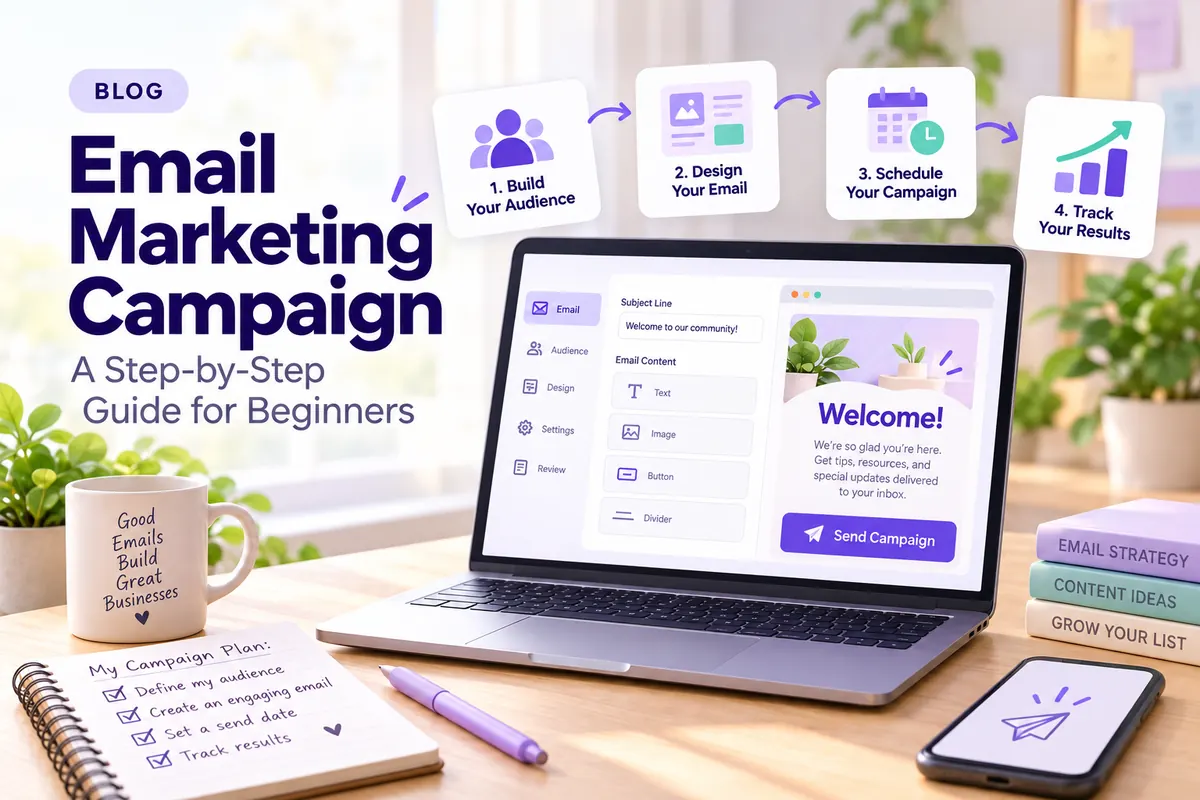

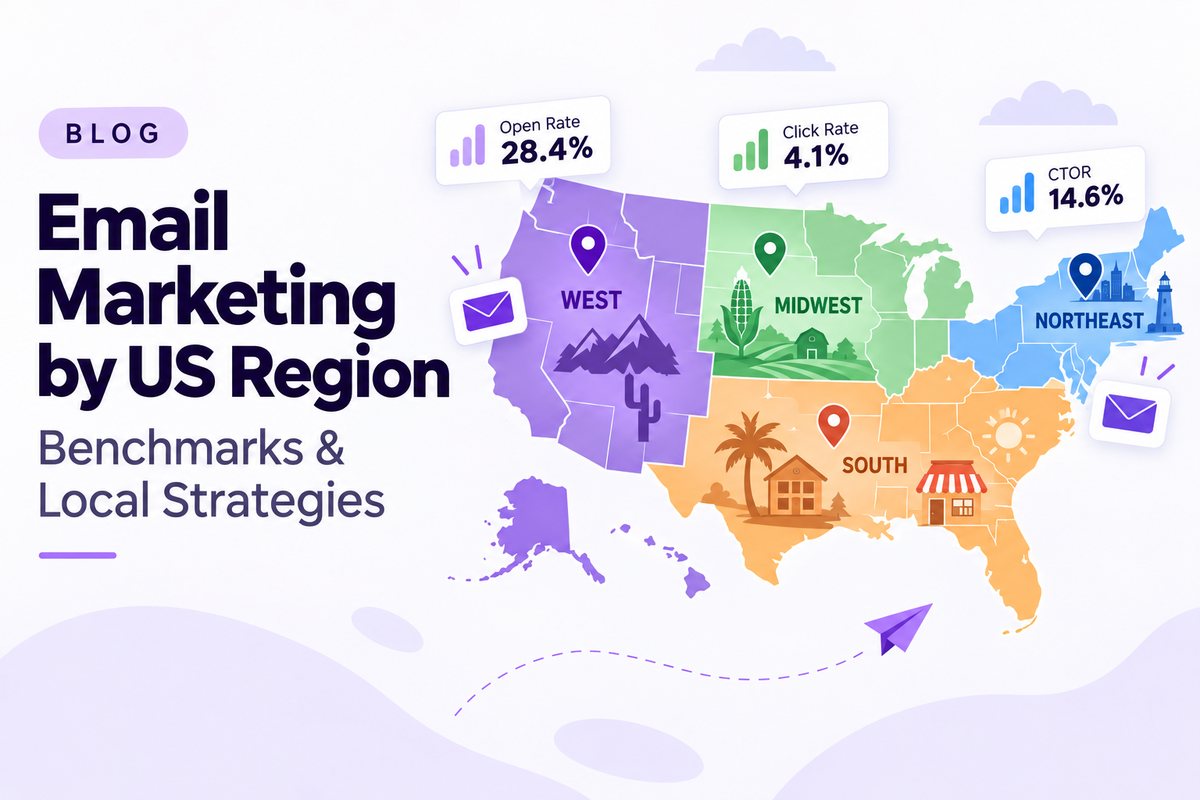


 Features
 Pricing
 Partner
 Blog
Blog Support
 More resources
 Terms of Services
 Privacy Policy